
If you've ever wondered about the differences between community ownership structures, you're not alone. The terms HOA, condo association, PUD, and co-op are often used interchangeably to describe any home that comes with a monthly fee, but there are real and important differences. They affect your monthly costs, financing options, what you're allowed to do with your property, and how much control you have over your own home. Let's break it down in plain language.
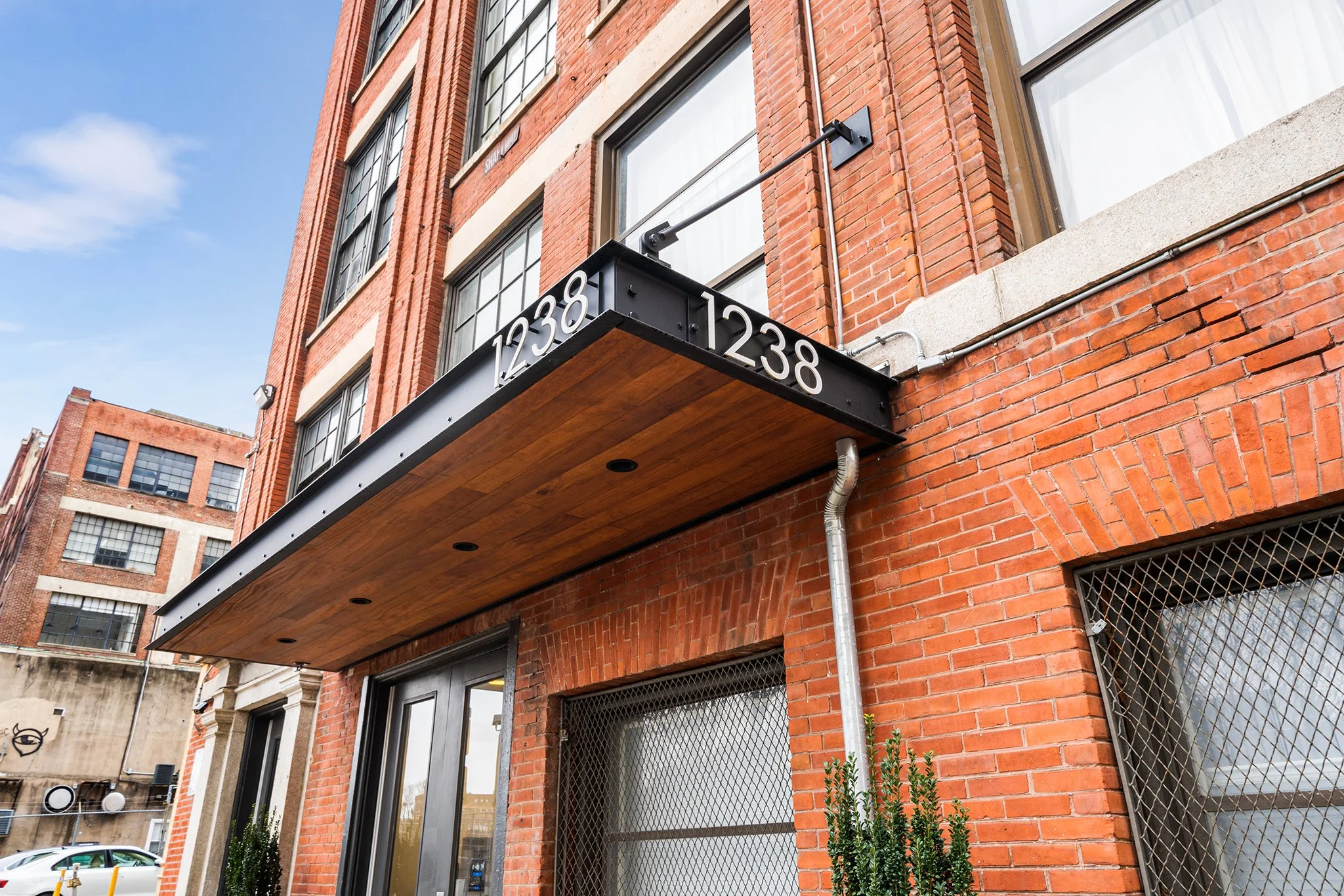
Condo Association
When you buy a condo, you own your individual unit. Your deed covers everything from the studs inward, and you share ownership of all common elements, hallways, lobbies, roofs, exterior walls, pools, gyms, and more, with the other unit owners, typically by a percentage established in the declaration documents. The association may be professionally managed or self managed by the owners themselves.
A board of directors, usually fellow owners who volunteer or are elected, governs the association according to its bylaws and rules. Monthly condo fees cover building maintenance, structural insurance, landscaping, and reserves for future repairs, the specifics of which are set by the association.
From a financing standpoint, lenders treat condos differently from single-family homes. Some require the building to be "warrantable", meaning it meets Fannie Mae/Freddie Mac guidelines, which can affect your mortgage options. Before closing, you and your lender will review the association's financials, reserve fund, rules, and regulations so you have a complete picture of the association's health.

Homeowners Association (HOA)
HOAs are most commonly attached to single-family home communities, townhome neighborhoods, and planned subdivisions. Unlike a condo, when you buy in an HOA community, you typically own both the home and the land it sits on. The HOA governs shared amenities and enforces community standards.
HOA fees tend to be lower than condo fees because the association isn't responsible for your home's structure. That's on you. Fees generally cover things like the community pool, entrance landscaping, shared roads, utility connections, and common green spaces. Rules can govern everything from front door colors to whether you can park a boat in your driveway.
Lenders are generally more flexible with HOA properties because the buyer has greater control over the asset, and replacement costs are typically more straightforward for the lienholder.
Planned Unit Development (PUD)
A PUD is the one that trips most people up. A Planned Unit Development is a zoning and land-use classification for a community that was designed as a cohesive whole, often blending single-family homes, townhomes, and sometimes commercial spaces.
Like a traditional HOA community, PUD owners typically own both their home and the land beneath it. What sets a PUD apart is that the development was master-planned around shared amenities such as trails, parks, clubhouses, and retail that all owners collectively contribute to the maintenance of. Many PUDs have an HOA embedded within them to manage those spaces.
The distinction matters most at the mortgage level. Lenders and appraisers classify properties as condos, PUDs, or single-family homes, and that classification affects your loan type and down payment requirements. A townhome that looks like a condo may actually be classified as a PUD, which is generally easier to finance.

Cooperative (Co-op)
Co-ops are an entirely different structure. When you buy into a cooperative, you aren't purchasing real estate in the traditional sense. Instead, you're buying shares in a corporation that owns the entire building. Those shares entitle you to a proprietary lease for your specific unit.
Because you own shares rather than real property, some important differences follow. The co-op board holds significant decision-making authority, often including the right to approve or reject prospective buyers for almost any reason within fair housing laws. Financing works differently, too, since you're buying shares and not a deeded property; most traditional mortgage lenders won't participate. Instead, you may need a portfolio loan from a bank lending its own funds, and a substantial down payment is typically required. An all-cash purchase is often the most practical path.
Monthly maintenance fees in co-ops are generally higher and can include your share of the building's property taxes and operating costs, and sometimes utilities and appliance maintenance as well. When that's the case, the make and model of covered appliances is typically specified or approved by the governing board. Co-ops can offer excellent value in competitive markets, but they require a buyer who is genuinely prepared to understand all the nuances involved, including restrictions on subletting, renovations, and pets.

The Bottom Line
In Pennsylvania, the most complete form of property ownership is conveyed by Fee Simple Deed of Special Warranty, the standard used in the Pennsylvania Agreement of Sale. Condo ownership is still a form of fee simple ownership, but limited to your individual unit and a shared interest in common areas. Co-op ownership is a different matter entirely, as mentioned above, because you own shares in a corporation, not the property itself.
One important protection to know: under the Uniform Condominium Act, which applies to all condominiums and planned communities in Pennsylvania, the seller is required to provide a complete and current set of association documents within 25 days of the executed agreement of sale. As the buyer, you may void the agreement at any time before receiving those documents and for five days after receipt. This gives you time to confirm that the association's rules and financials align with your expectations.
As your real estate agents, we cannot provide legal advice, and for documents not authored by the Pennsylvania Association of REALTORS®, we will often recommend having an attorney review them on your behalf, especially when specific requirements may not align with your homeownership goals.
These structures exist to maintain communities and protect property values, but they each come with their own obligations and limitations. Before falling in love with a property, your Philly Home Girls agent will always help you understand what type of community structure comes with it and what that means for your budget, lifestyle, and long-term plans.
We would be honored to guide you through your search, discovery, and settlement on the perfect home.











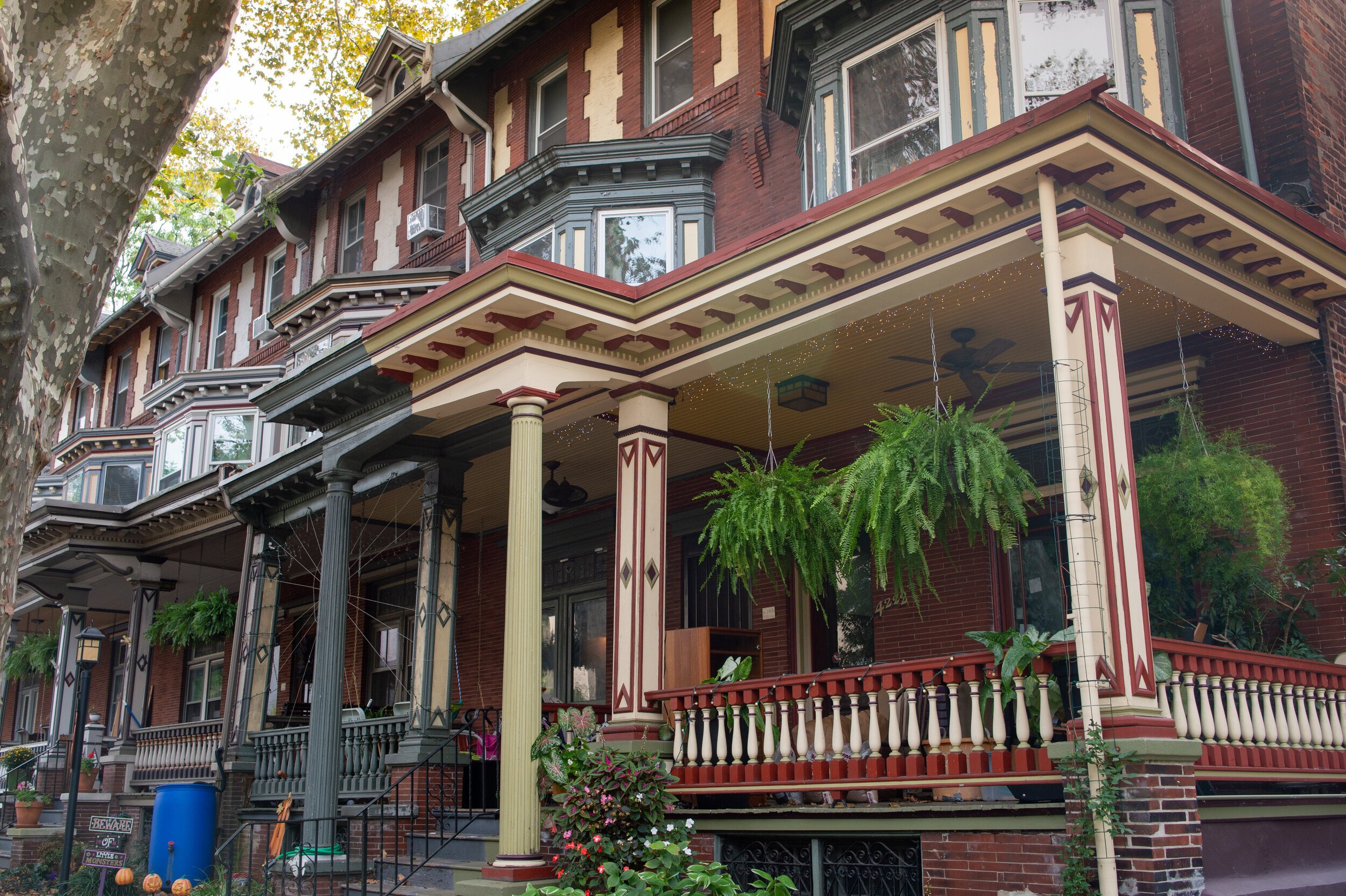


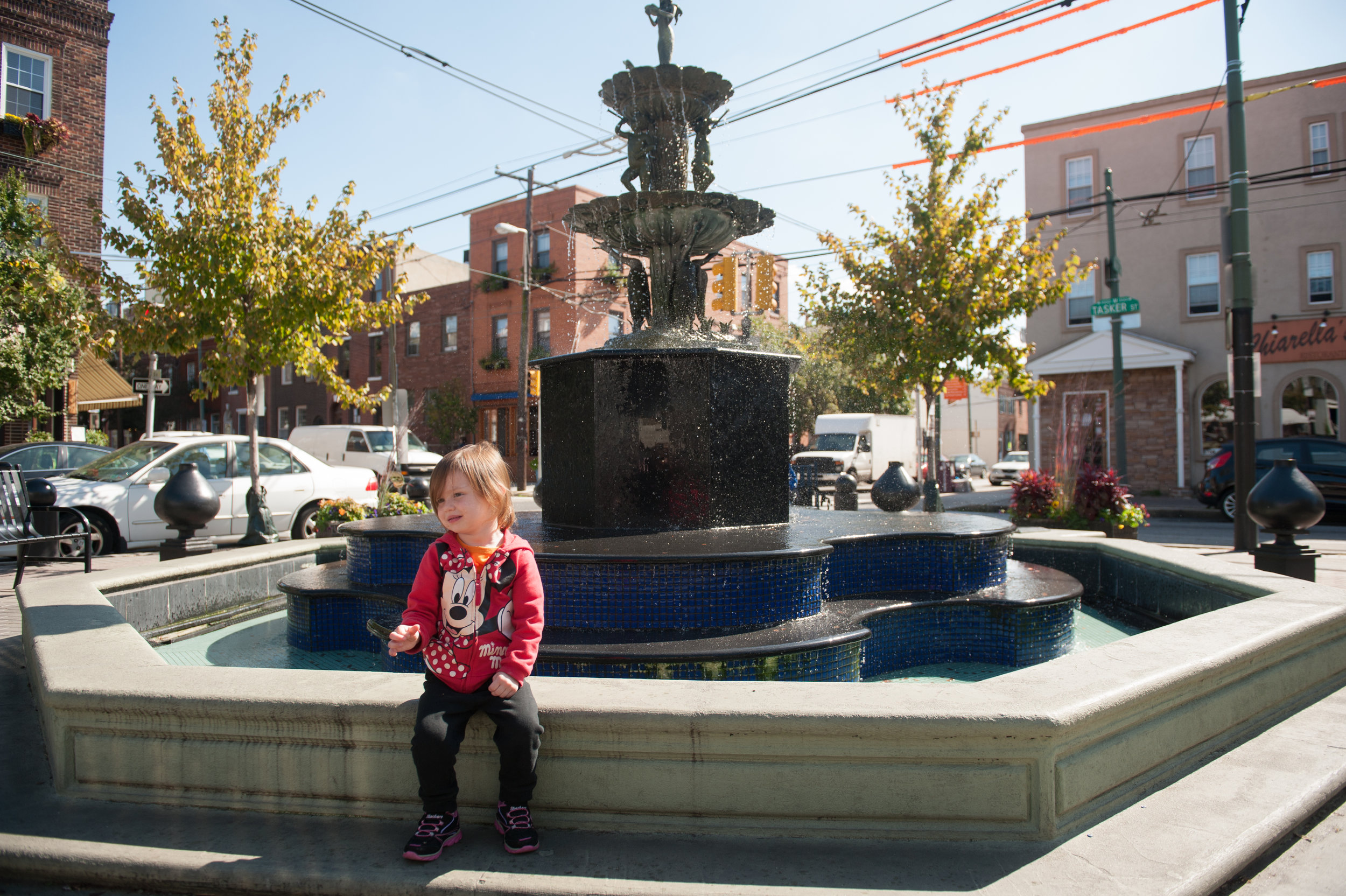
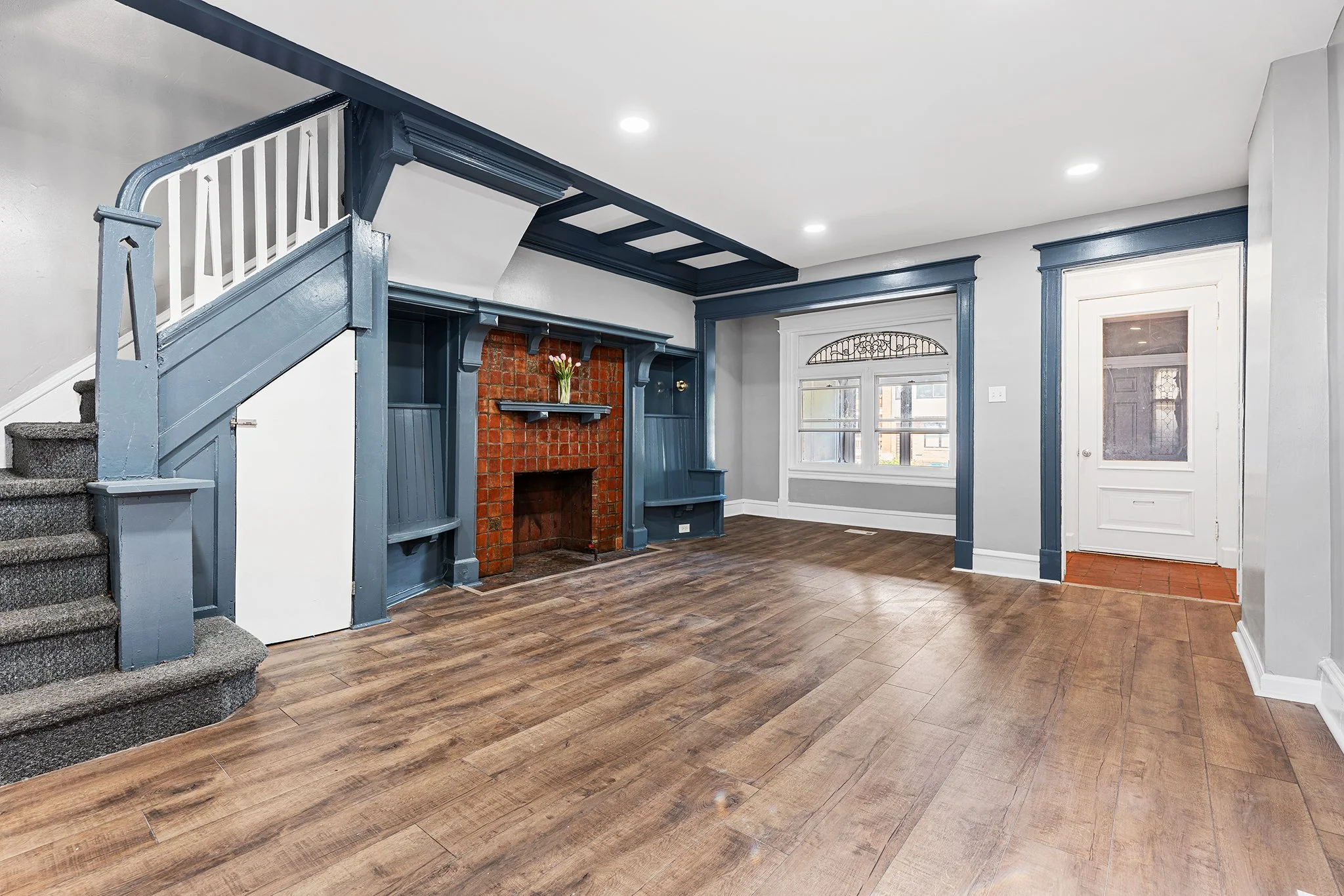
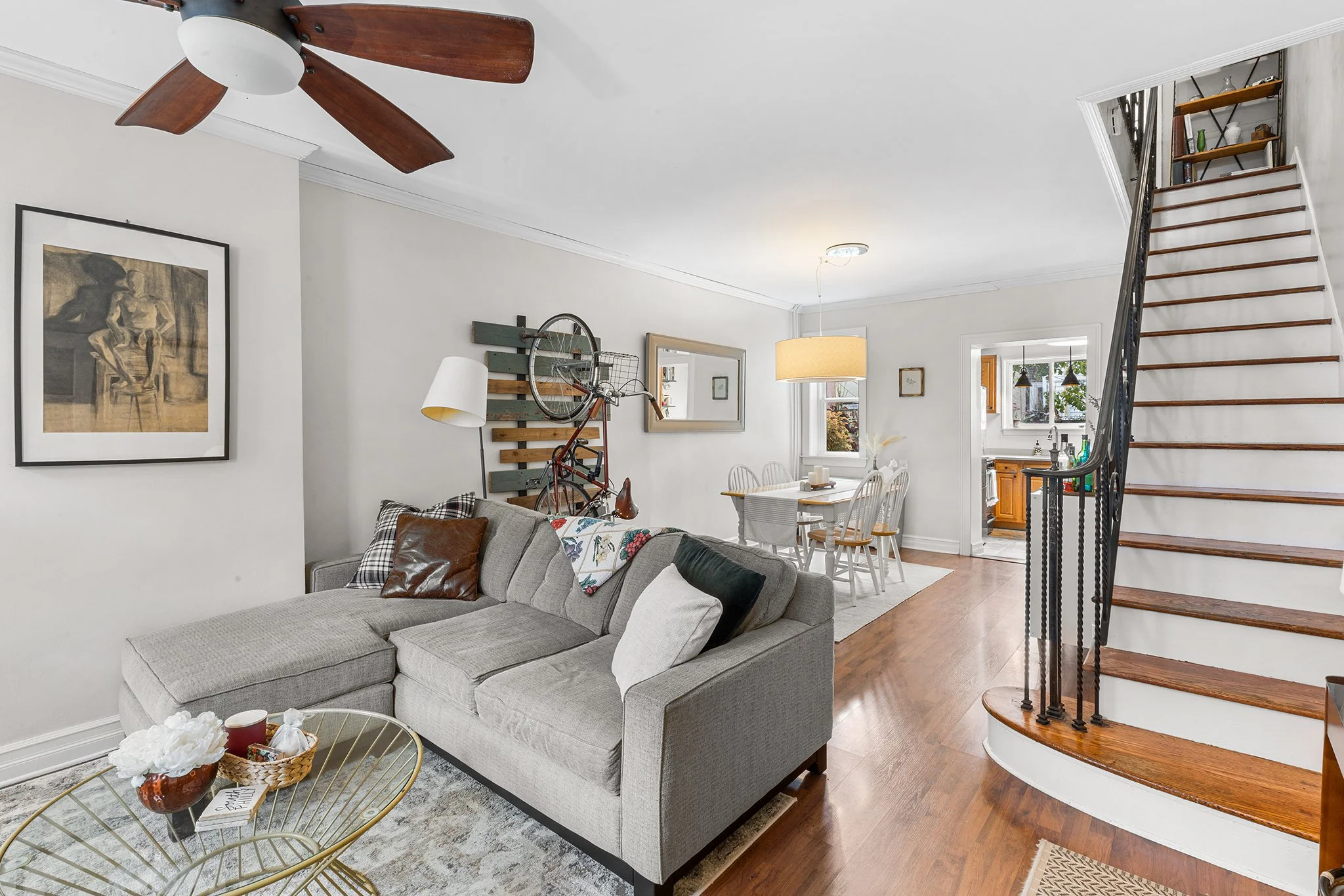
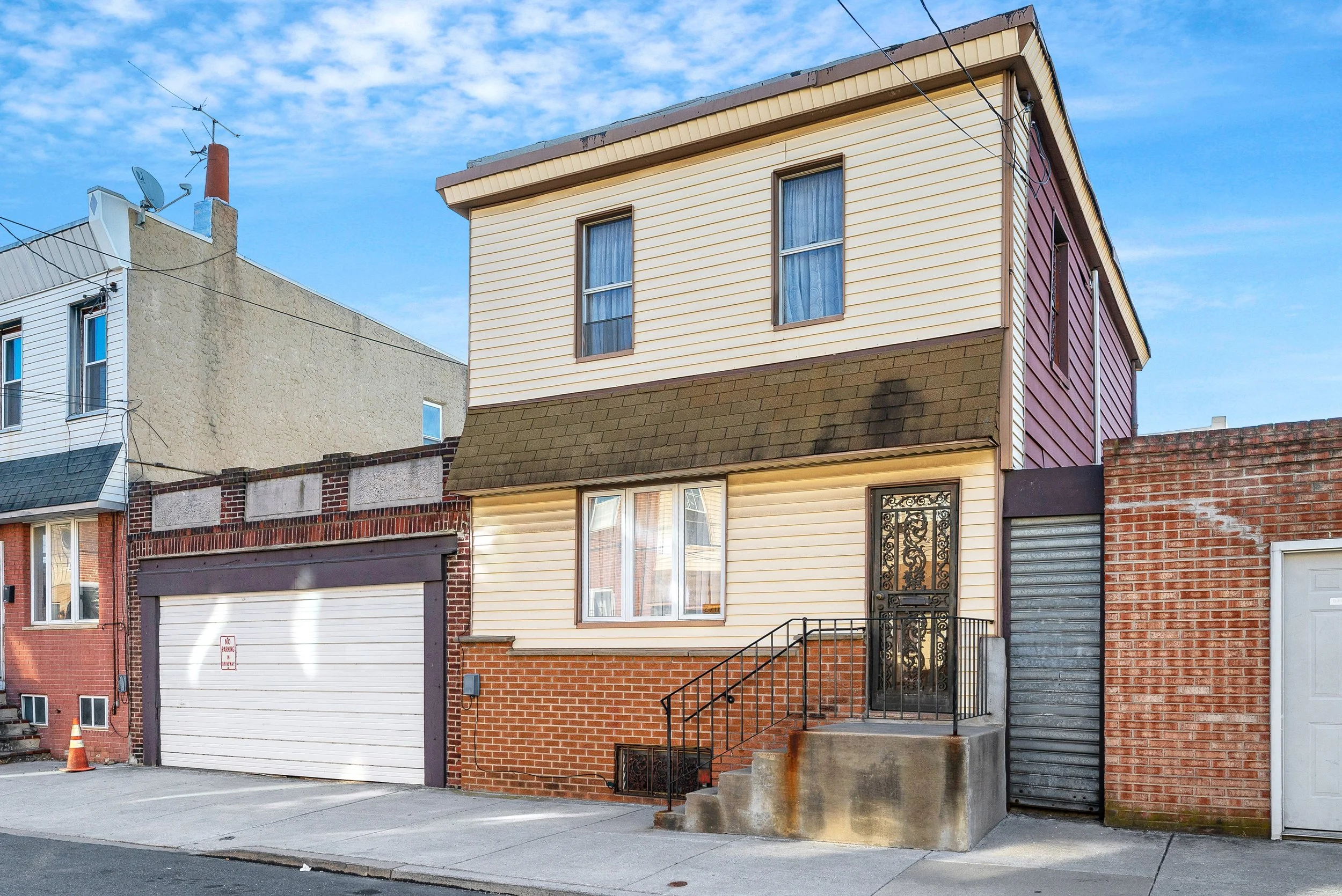





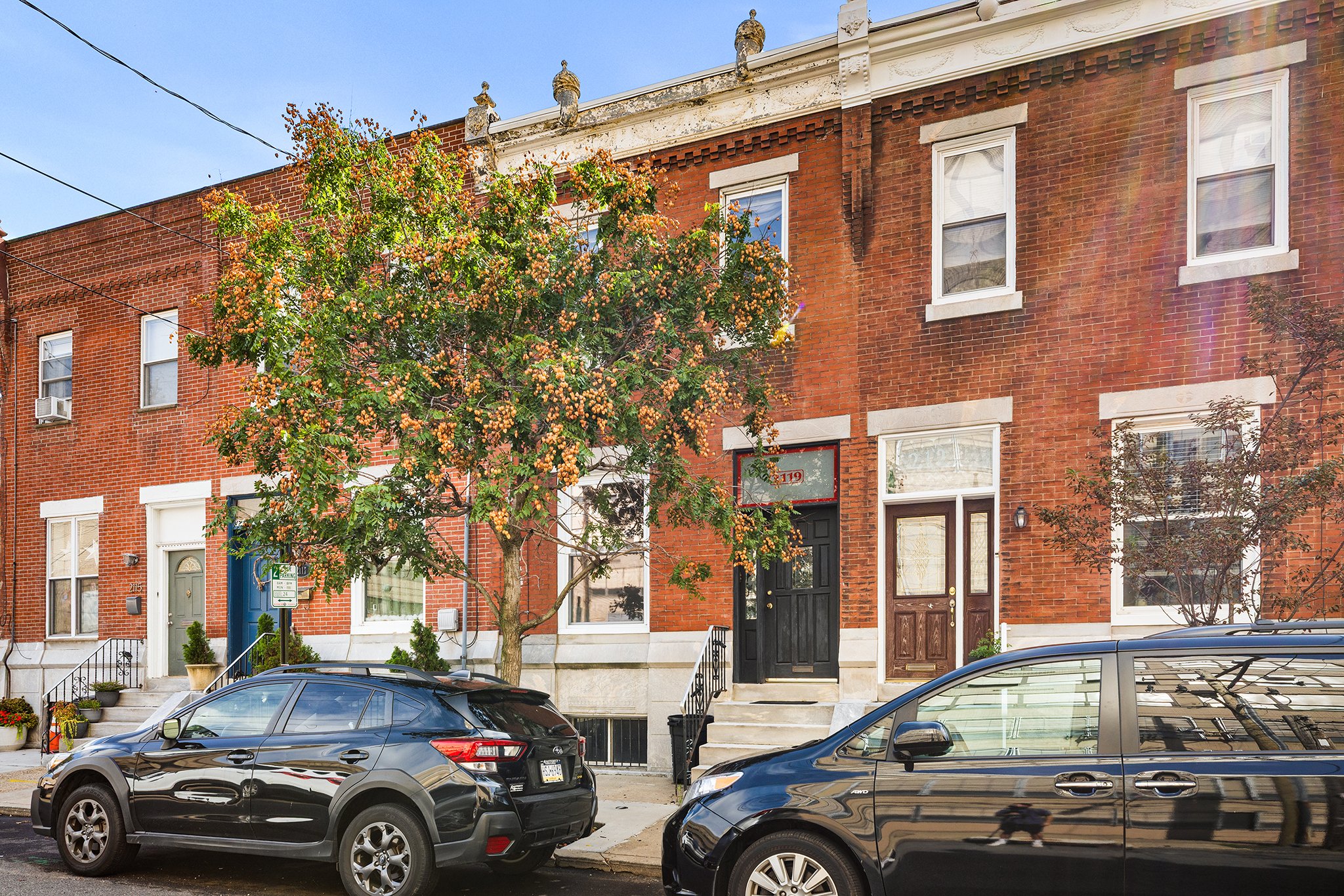


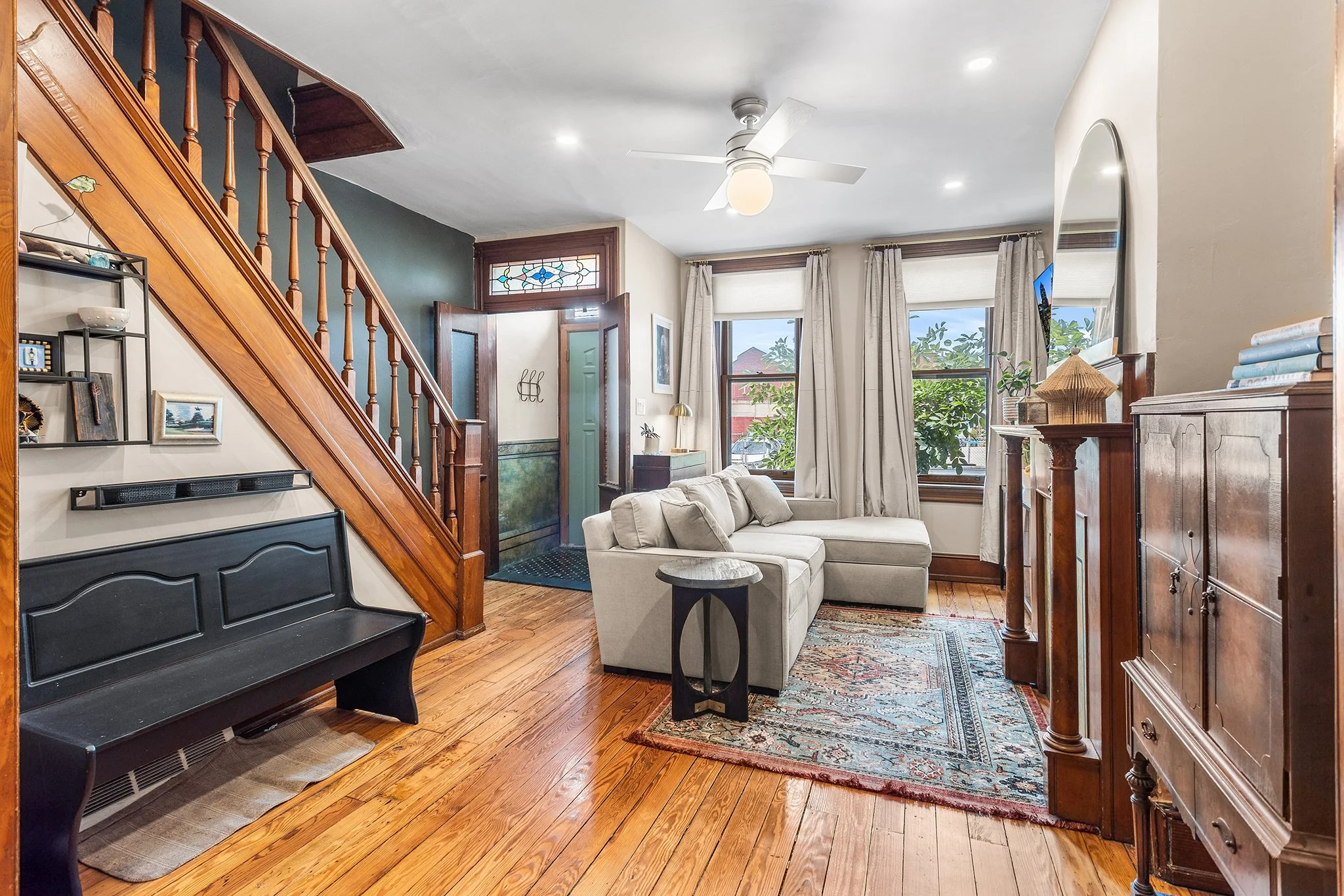



Our Marketing Manager, Bonnie Wisnowski calls this neighborhood home. Here she tells us what she loves about Port Richmond and why you should become her new neighbor (or at least come to visit).